
The journey of casinos Tracing the historical evolution of gaming establishments
The Origins of Gambling Establishments
The history of gambling can be traced back thousands of years, with evidence of games of chance appearing in ancient civilizations like China, Greece, and Rome. These early forms of gambling often involved simple dice games and rudimentary betting systems. In ancient China, for instance, players engaged in games that used tiles, which laid the foundation for the modern gaming industry. Ancient Romans took it a step further by establishing locations dedicated to gambling, like the infamous Circus Maximus, which showcased chariot races combined with betting, creating a blend of entertainment and risk. You can explore more about the modern gaming landscape, including the offerings of Slotshopper, which reflects the evolution of online gaming.
The transition from informal gambling to organized establishments occurred as societies evolved. During the Middle Ages, the concept of gambling houses began to emerge, primarily in Europe. These establishments catered to the nobility, offering various games, from card games to dice. The first official gambling house, the Ridotto, was established in Venice in 1638, marking a pivotal moment in the history of casinos. This venue regulated gambling, set rules for fair play, and ensured a safe environment for patrons, highlighting a growing desire for organized and lawful gaming.
By the 18th century, gambling houses flourished across Europe, particularly in France and England. The introduction of the casino concept, derived from the Italian word “casa,” meaning “house,” revolutionized the gambling experience. Casinos began to offer luxurious settings filled with opulence and grandeur, attracting the elite classes. The allure of these establishments not only provided entertainment but also facilitated social interactions among the wealthy, thus cementing the casino’s place in society.
The Rise of the Modern Casino
The 19th century saw the birth of the modern casino as we know it today. The establishment of the Monte Carlo Casino in 1863 was a significant milestone, as it showcased an extravagant environment paired with a wide array of games. This casino became a symbol of luxury and high stakes, drawing in crowds from all over Europe and beyond. The success of Monte Carlo inspired other regions, prompting the construction of casinos worldwide, each incorporating unique local themes while adopting the best practices established in Monaco.
During the same period, the United States began to see the emergence of its own gaming establishments. The opening of the first official American casino, the Gilded Age in the late 19th century, marked the beginning of a new era in gambling. This period also coincided with the rise of illegal gambling operations, particularly in cities like New Orleans and later in Las Vegas. It created a duality in the gaming landscape, where the legal framework struggled to keep pace with the burgeoning demand for gambling.
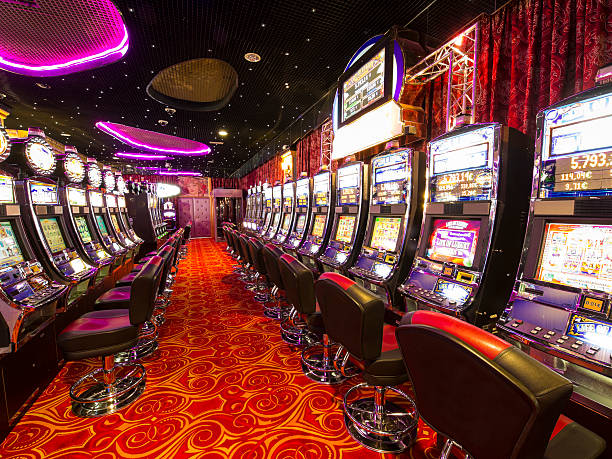
The introduction of slot machines in the early 20th century fundamentally changed the casino experience. These machines, initially viewed as novelties, quickly gained popularity and became a staple in gaming establishments. By the mid-20th century, casinos in Las Vegas transformed the gambling scene, integrating entertainment options such as live shows, fine dining, and luxury accommodations, making them more than just venues for gaming. This evolution not only expanded their clientele but also established Las Vegas as a global gaming capital.
The Regulation and Legalization of Gambling
With the increasing popularity of casinos, regulation became essential to ensure fair play and protect consumers. In the early 20th century, various regions began to implement laws governing gambling. Nevada was the first state in the U.S. to legalize casino gambling in 1931, paving the way for the iconic Las Vegas Strip. This decision sparked a nationwide shift, as other states began to reconsider their stances on gambling, ultimately leading to a wave of legalization that has continued into the 21st century.
The regulatory landscape around casinos developed to address concerns about organized crime, problem gambling, and the economic impact of gaming establishments. Organizations such as the Nevada Gaming Control Board were established to oversee licensing, compliance, and operational integrity. These regulations aimed to create a safer and more trustworthy environment for players, which in turn bolstered the casino industry’s legitimacy and encouraged investments.
As attitudes toward gambling evolved, so did the variety of gaming options available. The rise of online casinos in the late 20th century marked a significant development in gambling history. With the advent of the internet, players gained access to gaming from the comfort of their homes. This digital transition brought new regulatory challenges and opportunities, prompting governments to craft legislation to govern online gaming. The ability for casinos to adapt to these changes speaks to the resilience and innovation inherent in the gaming industry.
The Global Expansion of Casinos
The late 20th and early 21st centuries witnessed a phenomenal global expansion of casinos. Countries across Asia, Europe, and the Americas embraced legalized gaming, viewing it as a means to boost tourism and economic growth. The establishment of integrated resorts in places like Singapore and Macau attracted millions of visitors, contributing to a new era of entertainment and hospitality. These resorts, which combined casinos with luxury accommodations, shopping, and dining, have redefined the gaming experience.
Macau emerged as a powerhouse in the global casino industry, surpassing Las Vegas in revenue generation. With its unique blend of traditional gaming and modern amenities, Macau drew in high rollers from around the world. The success of Asian gaming markets influenced the development of casinos in other parts of the world, encouraging innovations in both gaming technology and customer experience.
The future of casinos continues to evolve, driven by advancements in technology and changing consumer preferences. The rise of mobile gaming and virtual reality casinos signals a new frontier in the gaming industry. As players seek more immersive experiences, casinos are increasingly investing in technology to enhance engagement and interactivity. This evolution not only reflects the industry’s adaptability but also sets the stage for the next chapter in the history of casinos.

Exploring Slots Hopper Casino
In this dynamic landscape of gaming establishments, Slots Hopper Casino stands out by offering an exciting online gaming experience tailored for a diverse audience. With a vast selection of over 13,000 slots and games from leading developers, it caters to players seeking both variety and quality. Launched under a secure Anjouan Gaming License, this casino prioritizes player safety through advanced encryption and stringent privacy measures, ensuring a secure environment for all users.
Slots Hopper Casino enhances the gaming journey with a generous welcome bonus, allowing new users to enjoy up to €10,000 and 1,000 free spins. This enticing offer is designed to attract players and provide them with an opportunity to explore the extensive game library. The user-friendly registration process and ongoing promotions further contribute to a rewarding and entertaining environment, making it an ideal destination for casino enthusiasts.
As the gaming industry continues to evolve, Slots Hopper Casino is committed to providing a unique and engaging experience for players worldwide. By embracing innovation while maintaining a focus on player safety and satisfaction, this online casino is poised to be a prominent player in the future of gaming establishments. Whether you are a novice or a seasoned player, Slots Hopper Casino offers an unparalleled journey into the world of online gaming.
